
Sukanya Samriddhi Account Scheme
Introduction
The Sukanya Samriddhi Account (SSA) is a Government of India-backed small savings scheme designed specifically for the financial security of the girl child. It was introduced under the Beti Bachao, Beti Padhao initiative to encourage parents and guardians to build a dedicated corpus for a daughter’s education, higher studies, and future financial needs. The scheme combines long-term savings with an attractive government-declared interest rate and tax benefits, making it a popular option for families planning their daughter’s future.
The account can generally be opened in the name of a girl child before she reaches the age of 10 years. A parent or legal guardian operates the account until the girl becomes eligible to operate it herself. Since the scheme has a long-term structure, regular contributions over several years can help create a substantial amount by the time the child reaches adulthood. The account can be opened through eligible banks and post offices.
Eligibility for Opening a Sukanya Samriddhi Account
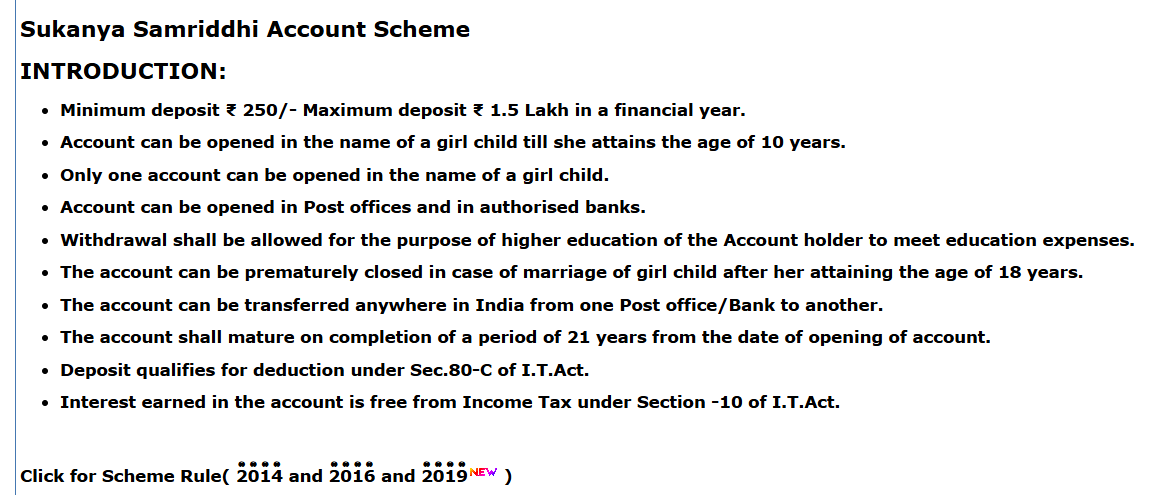
The Sukanya Samriddhi Account is intended for a girl child who is below 10 years of age at the time of account opening. The account is opened by the child’s parent or legal guardian. Generally, only one account can be opened in the name of a particular girl child. A family can normally open accounts for up to two girl children, subject to the scheme rules and specified exceptions.
Useful Updates
The account is associated with the girl child rather than the parent. Therefore, the savings accumulated in the account are intended for her future benefit. Parents can start investing when the child is young and continue making deposits according to their financial capacity. This allows the investment to benefit from long-term compounding.
Minimum and Maximum Deposit
One of the useful features of the scheme is that parents do not need to make a very large initial investment. The account can be maintained by making deposits within the prescribed minimum and maximum annual limits. The minimum contribution requirement encourages families to save regularly, while the maximum limit allows those with greater financial capacity to build a larger corpus.
Deposits can be made through permitted modes such as cash, cheque, demand draft, or electronic transfer, depending on the facility available at the bank or post office. Maintaining regular contributions is important because failure to meet the minimum annual deposit requirement can result in the account becoming inactive or subject to applicable rules for revival.
Useful Updates
Interest Rate and Compounding Benefit
The interest rate applicable to Sukanya Samriddhi Accounts is determined by the Government of India and may be revised periodically. Therefore, investors should check the latest officially notified rate before making financial decisions. The interest is compounded annually, which is one of the major attractions of the scheme.
The power of compounding becomes particularly significant because the account is designed for long-term savings. Interest earned in one period becomes part of the balance on which future interest can be earned. Consequently, starting the account at a young age and making regular deposits can potentially result in a significantly larger maturity corpus.
Tax Benefits Under the Scheme
Sukanya Samriddhi is also known for its tax advantages. Contributions made to the account may qualify for deduction under Section 80C of the Income Tax Act, subject to the applicable tax rules and limits. In addition, the interest earned and the amount received at maturity are generally given favourable tax treatment under the scheme’s prevailing provisions.
These tax benefits can make the scheme particularly attractive for parents who want to combine disciplined savings with tax planning. However, tax laws and the availability of deductions can change, so investors should verify the rules applicable to their tax regime and financial year before relying on a particular tax benefit.
Account Tenure and Maturity
The Sukanya Samriddhi Account is structured as a long-term investment. Contributions are generally required for a specified period, while the account continues to earn interest until maturity according to the scheme rules. The account generally matures after 21 years from the date of opening, although the contribution period is shorter than the overall maturity period.
This structure encourages parents to begin saving early rather than waiting until the daughter reaches adulthood. Since the money remains invested for a long period, the accumulated interest can contribute substantially to the final corpus. Families should therefore consider the scheme as a long-term financial planning instrument rather than a short-term savings account.
Withdrawal for Higher Education
One of the important provisions of the Sukanya Samriddhi scheme is the ability to make a permitted withdrawal for the girl child’s higher education, subject to the applicable conditions. This can be especially helpful when the daughter reaches the stage of pursuing college, professional education, or other higher studies.
Withdrawal is not intended to function like unrestricted access to the account. The scheme specifies conditions relating to eligibility, documentation, amount, and timing. Therefore, parents should maintain educational records and supporting documents and check the current rules with the account-holding bank or post office before requesting a withdrawal.
Premature Closure and Special Circumstances
Although the Sukanya Samriddhi Account is designed for long-term investment, the scheme provides provisions for premature closure in certain circumstances. These provisions may include specific situations involving the account holder’s marriage after reaching the prescribed age or other exceptional circumstances permitted under the rules.
Premature closure should generally not be considered unless it is necessary because the primary objective of the account is long-term financial planning for the girl child. Closing the account early can reduce the benefit of long-term compounding. Therefore, families should carefully evaluate other financial resources before deciding to withdraw or close the account.
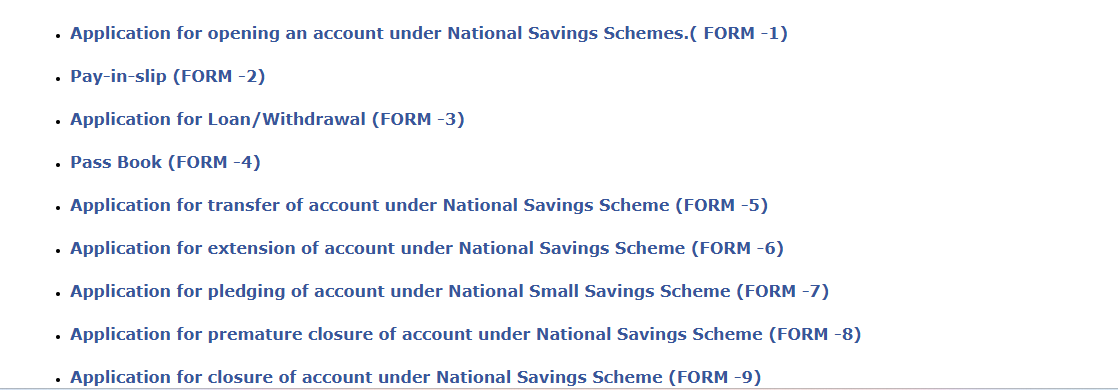
Documents Required to Open the Account
- Girl Child’s Birth Certificate
- Parent or Legal Guardian’s Aadhaar Card / Valid Identity Proof
- Parent or Legal Guardian’s Address Proof
- Parent or Legal Guardian’s Passport-size Photograph
- Sukanya Samriddhi Account Opening Form – duly filled and signed
- PAN Card of the Parent/Guardian, wherever required
- Any additional KYC documents requested by the concerned Bank or Post Office, as per applicable rules.
Advantages of Sukanya Samriddhi Account
The scheme offers several important advantages. It is backed by the Government of India, provides a government-declared interest rate, encourages disciplined long-term savings, and offers tax benefits under applicable provisions. The account is specifically designed around the financial needs of a girl child, making it easier for parents to create a dedicated education and future fund.
Another major advantage is the long investment horizon. Starting early gives the savings more time to grow through compounding. The scheme can therefore form one component of a broader financial plan that may also include emergency savings, insurance, education investments, and retirement planning.
Limitations to Consider
Despite its benefits, Sukanya Samriddhi is not suitable for every financial objective. The money is subject to withdrawal restrictions, and the account is intended primarily for long-term purposes. Families looking for highly flexible access to their savings may find these restrictions inconvenient.
The interest rate is also subject to periodic government revision, so the future return cannot simply be assumed to remain unchanged for the entire account tenure. Parents should consider their overall financial goals, liquidity requirements, risk tolerance, and tax situation before deciding how much to allocate to the scheme.
Sukanya Samriddhi Account – Key Details
| Feature | Details |
|---|---|
| Scheme Name | Sukanya Samriddhi Account |
| Target Beneficiary | Girl Child |
| Account Opening Age | Below 10 years |
| Account Operator | Parent or Legal Guardian |
| Government Support | Government of India |
| Interest Rate | Notified periodically by the Government |
| Interest Calculation | Compounded annually |
| Minimum Annual Deposit | ₹250 |
| Maximum Annual Deposit | ₹1.5 lakh |
| Maturity | Generally 21 years from account opening |
| Contribution Period | Generally 15 years |
| Education Withdrawal | Permitted subject to applicable conditions |
| Tax Benefit | Eligible contributions may qualify under Section 80C, subject to applicable tax rules |
| Account Availability | Eligible Banks and Post Offices |
| Primary Objective | Long-term financial security of the girl child |
How Parents Can Use the Scheme Effectively
Parents can make the scheme more effective by starting early and contributing consistently. Instead of waiting until the daughter is close to college age, opening the account when she is eligible gives the savings a longer period to grow. Even when the family cannot contribute the maximum amount every year, maintaining the required minimum contribution can help keep the account active according to the applicable rules.
It is also useful to view Sukanya Samriddhi as part of a larger financial plan. Education costs can rise considerably over time, so parents may combine SSA savings with other suitable investments and adequate insurance protection. Periodically reviewing the family’s financial position can help determine whether the annual contribution should be increased or adjusted.
Conclusion
The Sukanya Samriddhi Account Scheme is an important government-backed savings option for parents who want to build a long-term financial foundation for their daughter. Its combination of disciplined savings, government-notified interest, long-term compounding, and applicable tax benefits makes it suitable for goals such as higher education and future financial needs.
However, the scheme also has a long tenure and restrictions on withdrawals, so it should be selected with a clear understanding of the family’s financial objectives. Parents should always verify the latest interest rate, deposit rules, withdrawal provisions, maturity conditions, and tax regulations before investing. Used as part of a broader financial plan, Sukanya Samriddhi can help families systematically prepare for their daughter’s future.