Introduction to Gesture App
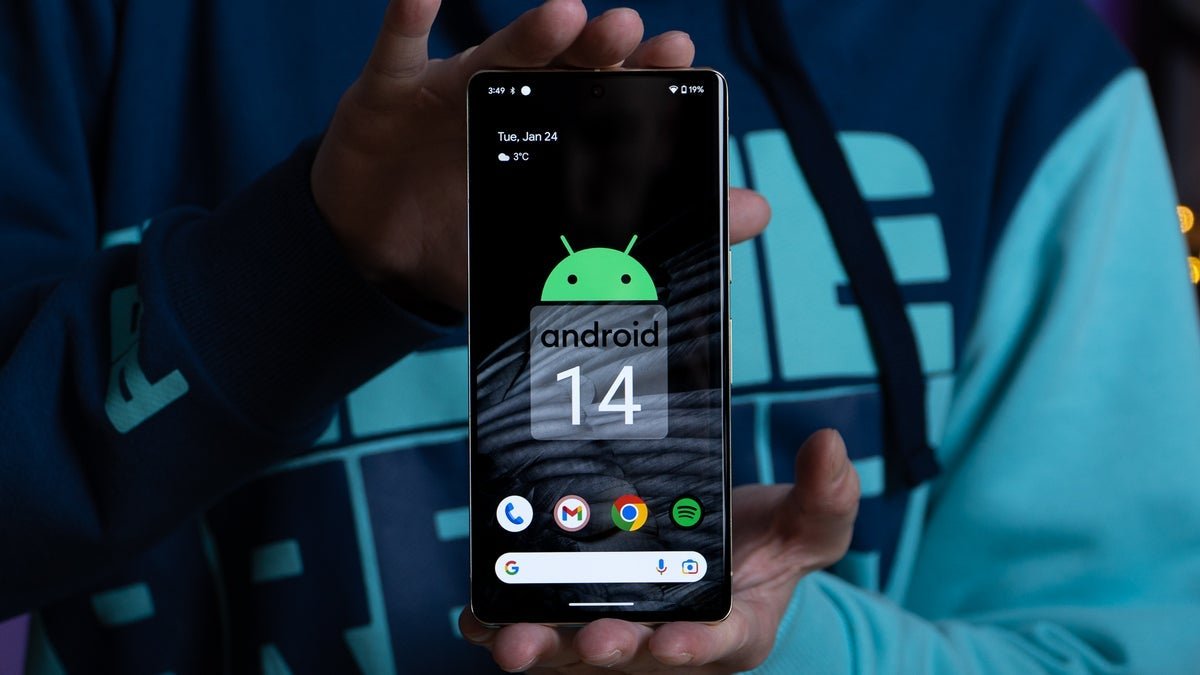
A Gesture App is a mobile or software application that allows users to control their device using hand movements, touch gestures, or body motions instead of traditional buttons or keyboards. These apps are designed to make interaction faster, easier, and more natural. Today, gesture-based technology is widely used in smartphones, smart TVs, gaming systems, and even in virtual reality (VR) environments.
What is a Gesture App?
A Gesture App uses sensors like a touchscreen, camera, or motion detectors to recognize user movements. These movements can include swiping, tapping, pinching, or even waving your hand in the air. The app then converts these gestures into commands.
For example, when you swipe left on your phone to view the next photo or pinch the screen to zoom in, you are already using gesture-based controls. A dedicated Gesture App expands this idea further by allowing custom actions like opening apps, controlling music, or answering calls using gestures.
Useful Updates
How Gesture Apps Work
Gesture Apps work by combining hardware and software technologies. First, the device captures your movement using sensors such as a touchscreen, accelerometer, gyroscope, or camera. Then, the app processes this data using algorithms to understand the gesture.
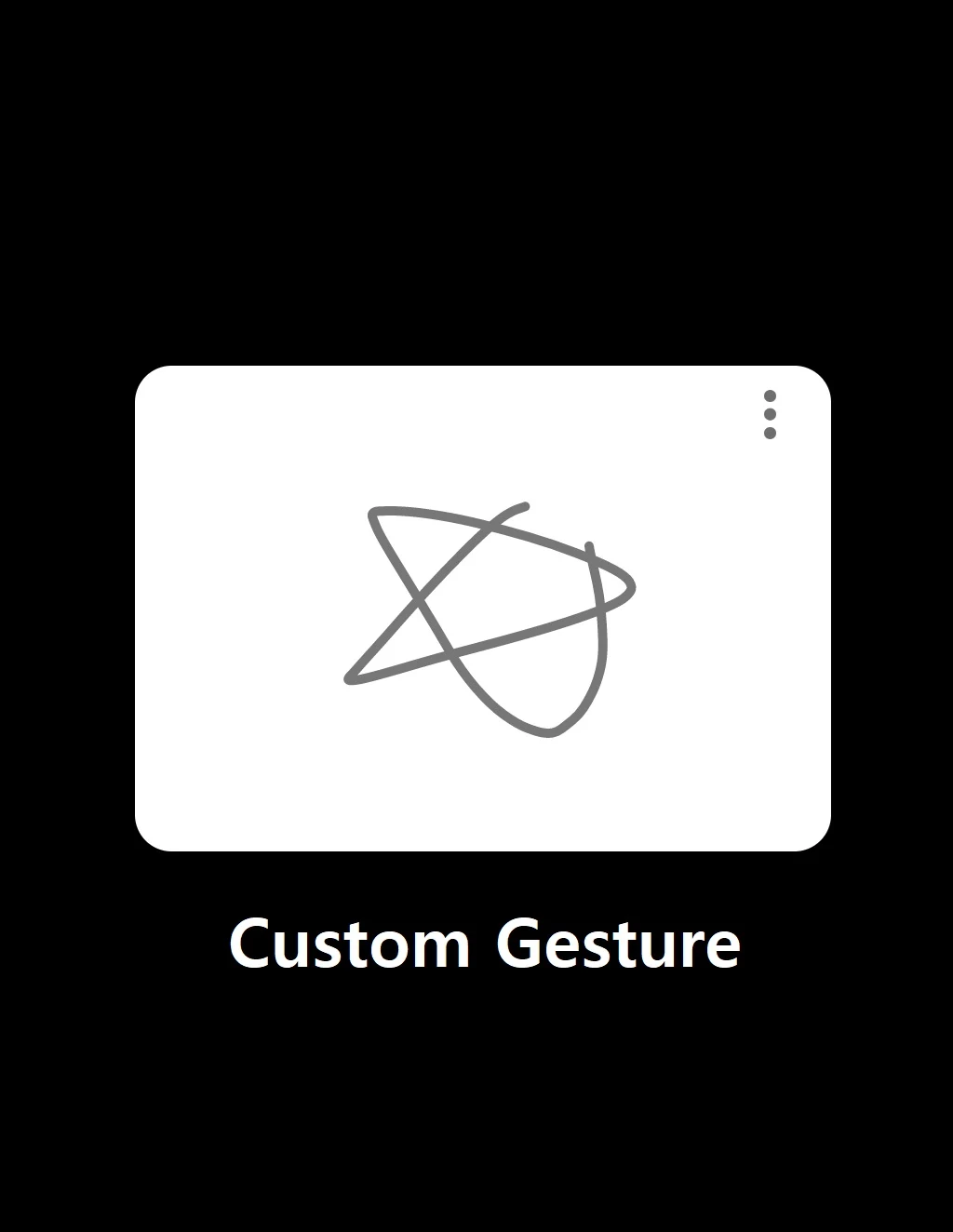
For instance, if you draw a specific shape on the screen, the app recognizes that pattern and performs a pre-set action. Advanced gesture apps even use artificial intelligence (AI) to improve accuracy and learn user behavior over time.
Key Features of Gesture Apps
1. Touch Gestures
These are the most common gestures like tapping, double-tapping, swiping, and pinching. Gesture apps allow users to customize these actions for different tasks.
Useful Updates
2. Air Gestures
Some apps allow you to control your phone without touching it. For example, waving your hand in front of the screen to skip a song or answer a call.
3. Motion Gestures
These use the phone’s motion sensors. For example, shaking your phone to turn on the flashlight or flipping it to mute calls.
4. Custom Gesture Controls
Users can create their own gestures. For example, drawing the letter “C” to open the camera or “M” to open messages.
Benefits of Using Gesture Apps
Easy to Use
Gesture Apps make device control simple and intuitive. Even beginners can quickly learn basic gestures.
Faster Navigation
Instead of going through menus, you can perform tasks instantly using gestures, saving time.
Hands-Free Experience
Air gestures allow users to control devices without touching them, which is useful while cooking or driving.
Accessibility
Gesture apps help people with disabilities by offering alternative ways to interact with devices.
Popular Uses of Gesture Apps
Users can open apps, control brightness, or manage calls using gestures. Gesture apps are widely used in gaming for motion-based controls, making gameplay more interactive. You can control lights, fans, or TVs using gestures through connected apps.
Virtual Reality (VR)
Gesture control is essential in VR, where users interact with virtual environments using hand movements.
Limitations of Gesture Apps
Accuracy Issues
Sometimes gestures may not be recognized correctly, especially in low light or noisy environments.
Battery Consumption
Using sensors like cameras and motion detectors continuously can drain battery quickly.
Learning Curve
Advanced gestures may take time to learn and remember.
Device Compatibility
Not all devices support advanced gesture features, especially older smartphones.
Future of Gesture Apps
Gesture technology is continuously improving with the help of AI and machine learning. In the future, gesture apps may become more accurate and responsive. We may see more touchless interactions, especially in areas like healthcare, automotive systems, and smart homes. Devices may soon understand complex gestures and even predict user actions. This will make technology more seamless and user-friendly.
Download Now
Conclusion
Gesture Apps are changing the way we interact with digital devices. By allowing users to control functions through simple movements, they provide a faster, more convenient, and modern experience. Although there are some limitations, the future of gesture-based technology looks very promising. As technology advances, gesture apps will become an essential part of everyday digital life.