
Introduction to Vetri Veedu Thittam
Vetri Veedu Thittam is a housing-focused initiative announced by the Government of Tamil Nadu with the objective of supporting eligible rural families who are living in kutcha or temporary houses. The scheme is intended to help such families construct safer and more permanent pucca houses. Housing is an important part of a family’s basic standard of living, and the scheme aims to reduce the financial burden associated with house construction for economically vulnerable households. Under the 2026–27 Budget announcement, the unit assistance for a house has been increased from ₹3.10 lakh to ₹5 lakh. The government has also announced a first-year target of 70,000 houses with an estimated allocation of ₹3,500 crore.
Main Objective of the Scheme
The primary objective of Vetri Veedu Thittam is to provide financial support for permanent housing to eligible families living in inadequate housing conditions. Families living in huts or kutcha structures can face difficulties during heavy rain, strong winds, extreme heat and other environmental conditions. A permanent house can provide improved safety, privacy and stability for family members. Through this initiative, the government aims to improve rural housing conditions and encourage the transition from temporary structures to durable residential buildings.
₹5 Lakh Assistance for House Construction
One of the major highlights of Vetri Veedu Thittam is the revised housing assistance of ₹5 lakh per house. The amount was previously stated as ₹3.10 lakh and has now been increased as part of the 2026–27 Budget announcement. The higher assistance is intended to provide greater financial support towards construction costs, particularly when the prices of construction materials and labour are considered. However, beneficiaries should understand that the exact manner in which the ₹5 lakh assistance will be released depends on the final government implementation guidelines. It should not automatically be interpreted as an unrestricted lump-sum cash payment.
Useful Updates
First-Year Target of 70,000 Houses
The government has announced a target of sanctioning 70,000 houses during the first year of the scheme. An estimated ₹3,500 crore has been allocated for this purpose. This target represents the initial implementation plan and does not mean that every eligible household across Tamil Nadu will receive assistance simultaneously. Beneficiary identification, verification and approval will be carried out according to the applicable government procedures. The number of houses sanctioned may therefore depend on the availability of funds, eligibility criteria and the beneficiary selection process.
Target Beneficiaries
The scheme primarily focuses on vulnerable rural families living in kutcha houses or huts. The purpose is to identify households that require assistance to move towards permanent housing. Beneficiary selection is expected to consider the housing condition and other eligibility requirements prescribed by the government. Merely living in a rural area or having an old house does not necessarily guarantee assistance. Applicants or households must satisfy the conditions applicable under the official implementation process.
Useful Updates
Door-to-Door Household Survey
A fresh door-to-door survey has been announced as part of the process of identifying eligible households. This type of survey allows field-level officials to collect updated information about families and their existing housing conditions. The survey may help the government identify households that continue to live in kutcha structures and require housing support. Families should provide accurate information during the survey and keep relevant household and property records available for verification whenever requested by officials.
Importance of Pucca Housing
The construction of a pucca house can provide significant improvements in the living environment of a family. A permanent structure is generally more durable and can offer better protection against weather-related conditions than temporary housing. A stable home can also provide children with a more suitable environment for education and give families greater residential security. Vetri Veedu Thittam therefore focuses not only on financial assistance but also on improving the overall quality of rural housing.
Beneficiary Identification and Verification
Beneficiary identification is an important stage in the implementation of the scheme. Information collected through surveys may be checked against relevant government records before a household is approved. Officials may examine the family’s housing condition, household details, land or property information and other applicable criteria. The exact verification procedure will depend on the final scheme guidelines. Households should therefore avoid relying on unofficial claims about automatic approval and should wait for official confirmation from the concerned authorities.
Possible Documents Required
The final list of mandatory documents should be confirmed through official government instructions. Depending on the implementation procedure, beneficiaries may be asked to provide documents such as Aadhaar details, family or ration card information, bank account details, address information and relevant land or property records. These documents may be required for identity verification, household verification and transfer of financial assistance. Beneficiaries should submit only genuine documents and should not provide sensitive financial information to unknown persons or unofficial agents.
Is Vetri Veedu Thittam a Loan?
Vetri Veedu Thittam is described as a housing assistance initiative rather than a conventional bank home loan. The ₹5 lakh amount is associated with house construction assistance announced under the scheme. Therefore, it should not automatically be treated as a loan requiring monthly EMI repayment. The exact financial conditions, payment stages and beneficiary responsibilities should be confirmed from the official implementation rules once they are issued.
Application Process
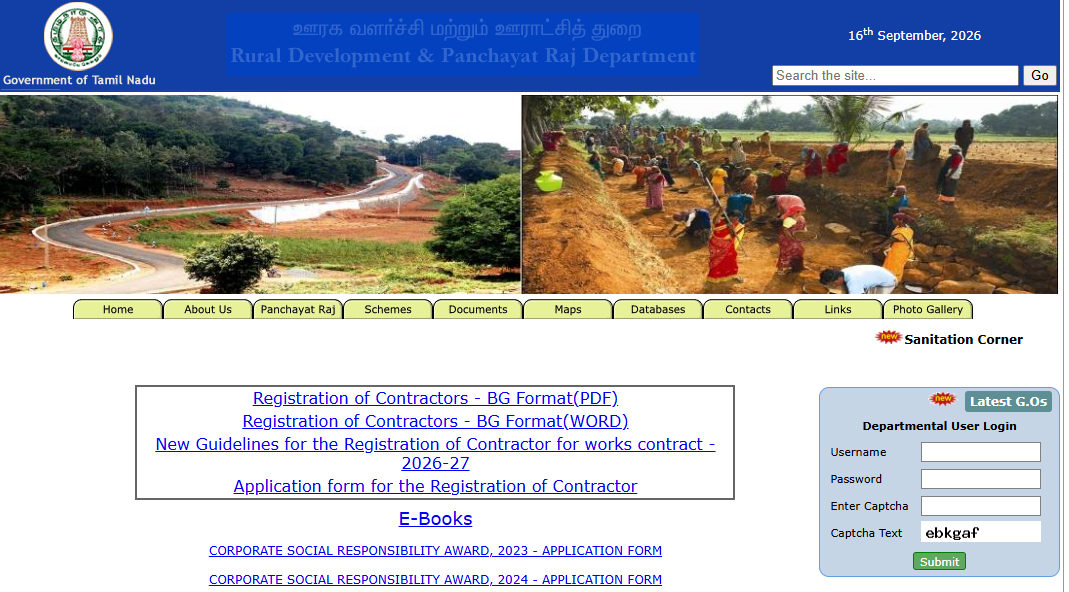
The exact application procedure for Vetri Veedu Thittam depends on the government’s implementation guidelines. Since a fresh door-to-door survey has been announced for identifying eligible families, beneficiary identification may involve a survey-based process rather than requiring every household to independently submit an online application. Families should check with their local Village Panchayat, Block Development Office or relevant Rural Development authorities for the latest instructions. If an official online application portal is introduced, beneficiaries should use only the government-designated platform.
Role of Rural Development Authorities
The Rural Development Department is expected to play an important role in implementing the housing initiative. Local-level authorities can assist with household surveys, beneficiary identification, verification, approvals and monitoring of construction activities according to government rules. Village Panchayats and Block-level officials may also be involved in communicating information to eligible households. Proper coordination between beneficiaries and local authorities can help ensure that the construction process follows the applicable standards and procedures.
Construction and Payment Process
Housing assistance schemes generally require construction to follow specified technical and administrative conditions. The government may prescribe minimum construction standards, approved stages and procedures for releasing assistance. The exact installment structure for Vetri Veedu Thittam should be confirmed after the detailed guidelines are issued. Beneficiaries should therefore avoid assuming that the entire ₹5 lakh will necessarily be paid at one time. Payments may be linked to construction progress and verification, depending on the final rules.
Benefits of Vetri Veedu Thittam
The major expected benefit of Vetri Veedu Thittam is improved access to permanent housing for eligible rural families. The increased assistance can help reduce the financial pressure associated with construction. A permanent house can also improve family safety, privacy, living conditions and long-term residential stability. In addition, improving rural housing can contribute to broader rural development by creating better living environments for communities.
Why the Scheme Is Important for Rural Families
Housing conditions are closely connected with a family’s social and economic well-being. Families living in temporary structures may have difficulty protecting household belongings, maintaining adequate living conditions and ensuring safety during adverse weather. A permanent home can provide a stronger foundation for family life. By focusing on vulnerable rural households, Vetri Veedu Thittam is intended to address housing-related needs and contribute to improved living standards in rural areas.

Important Points to Remember
People should be careful when reading information about Vetri Veedu Thittam on social media or unofficial websites. Information such as eligibility requirements, application dates, document lists, installment schedules and selection criteria should not be considered final unless confirmed through government notifications or official departmental instructions. Beneficiaries should also be cautious of individuals who demand money by claiming that they can guarantee scheme approval. Government housing benefits should be accessed through the prescribed official process.
Detailed Table – Vetri Veedu Thittam
| Category | Details |
|---|---|
| Scheme Name | Vetri Veedu Thittam |
| State | Tamil Nadu |
| Scheme Type | Housing Assistance Scheme |
| Budget Year | 2026–27 |
| Main Objective | To support eligible rural families in constructing pucca houses |
| Primary Target Group | Vulnerable rural households living in kutcha houses or huts |
| House Assistance | ₹5 lakh per house as announced |
| Previous Assistance | ₹3.10 lakh |
| Revised Assistance | ₹5 lakh |
| First-Year Target | 70,000 houses |
| Estimated First-Year Allocation | ₹3,500 crore |
| Main Department | Rural Development Department |
| Geographic Focus | Rural areas |
| House Type | Pucca / permanent-type house |
| Beneficiary Identification | Fresh household survey |
| Survey Method | Door-to-door survey |
| Purpose of Survey | Identification and verification of eligible households |
| Application Method | To be confirmed through official implementation guidelines |
| Loan or Grant | Housing assistance; not described as a conventional bank loan |
| EMI Requirement | Not described as an EMI-based housing loan |
| Construction Purpose | Construction of a permanent residential house |
| Eligibility | Subject to government-prescribed conditions |
| Verification | Household and eligibility verification by authorities |
| Possible Records | Aadhaar, family details, address and property-related records, subject to official requirements |
| Bank Details | May be required for financial assistance, subject to official instructions |
| Payment Method | To be confirmed through implementation guidelines |
| Installment Details | To be confirmed |
| Construction Standards | Subject to government-prescribed technical requirements |
| Beneficiary Selection | Based on applicable eligibility and verification process |
| Rural Local Bodies | May assist in survey and implementation |
| Official Confirmation | Government notifications and departmental guidelines should be followed |
| First-Year Implementation | 70,000 houses proposed |
| Financial Assistance Objective | To reduce the financial burden of house construction |
| Important Precaution | Avoid unofficial agents and unverified payment demands |
How to Check Scheme Information Safely
Beneficiaries should obtain information from government offices and officially announced notifications rather than relying only on social media posts or forwarded messages. Local Village Panchayat offices and Block Development Offices can be useful points of contact for information about surveys and beneficiary identification. If an online application system is officially introduced, applicants should verify that they are using the correct government platform before entering personal information.
Conclusion
Vetri Veedu Thittam is an important housing initiative announced under the Tamil Nadu Government’s 2026–27 Budget. The scheme focuses on improving housing conditions for eligible rural families, particularly those living in kutcha houses or huts. The major financial highlight is the increase in housing assistance from ₹3.10 lakh to ₹5 lakh per house. The government has also announced an initial target of 70,000 houses with an estimated allocation of ₹3,500 crore.
The fresh door-to-door household survey is expected to play an important role in identifying eligible beneficiaries. However, details such as the final eligibility conditions, application procedure, required documents, construction specifications and payment schedule should be confirmed through official implementation guidelines. Families interested in the scheme should keep their household records ready, cooperate with the official survey process and rely on verified government information when applying for or receiving housing assistance.