Introduction
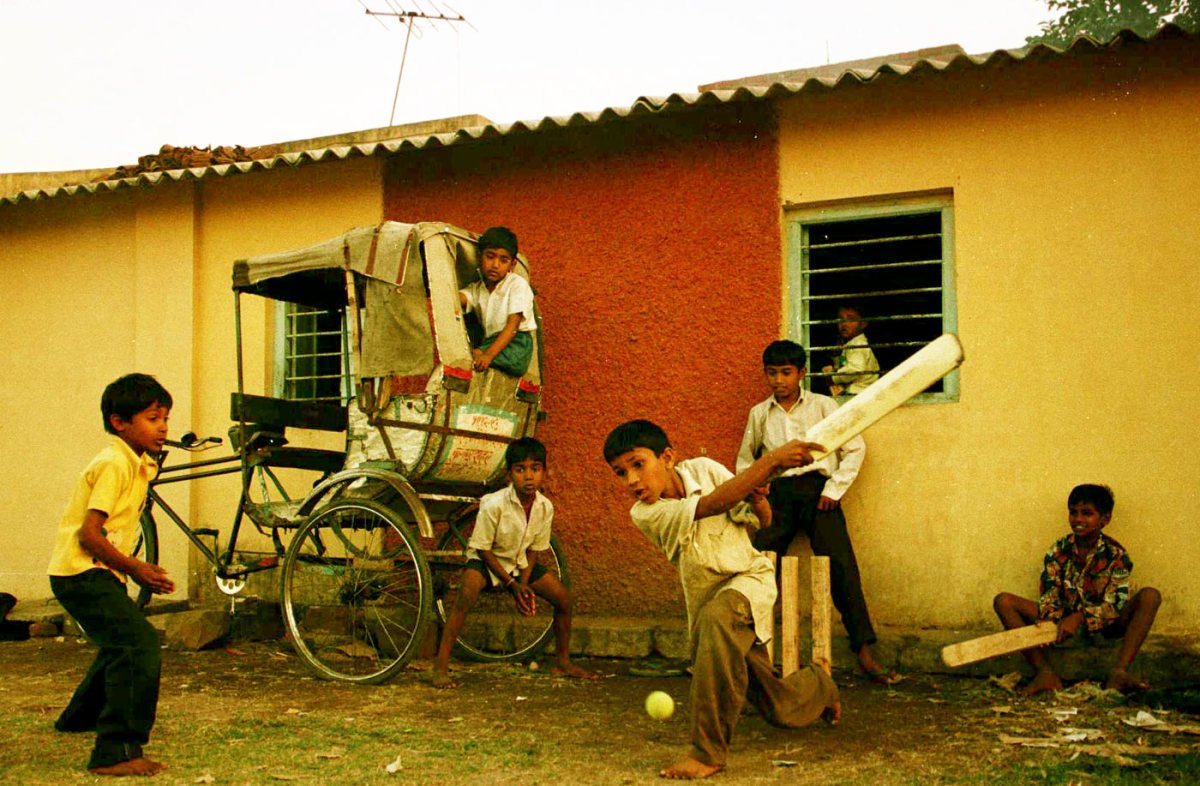
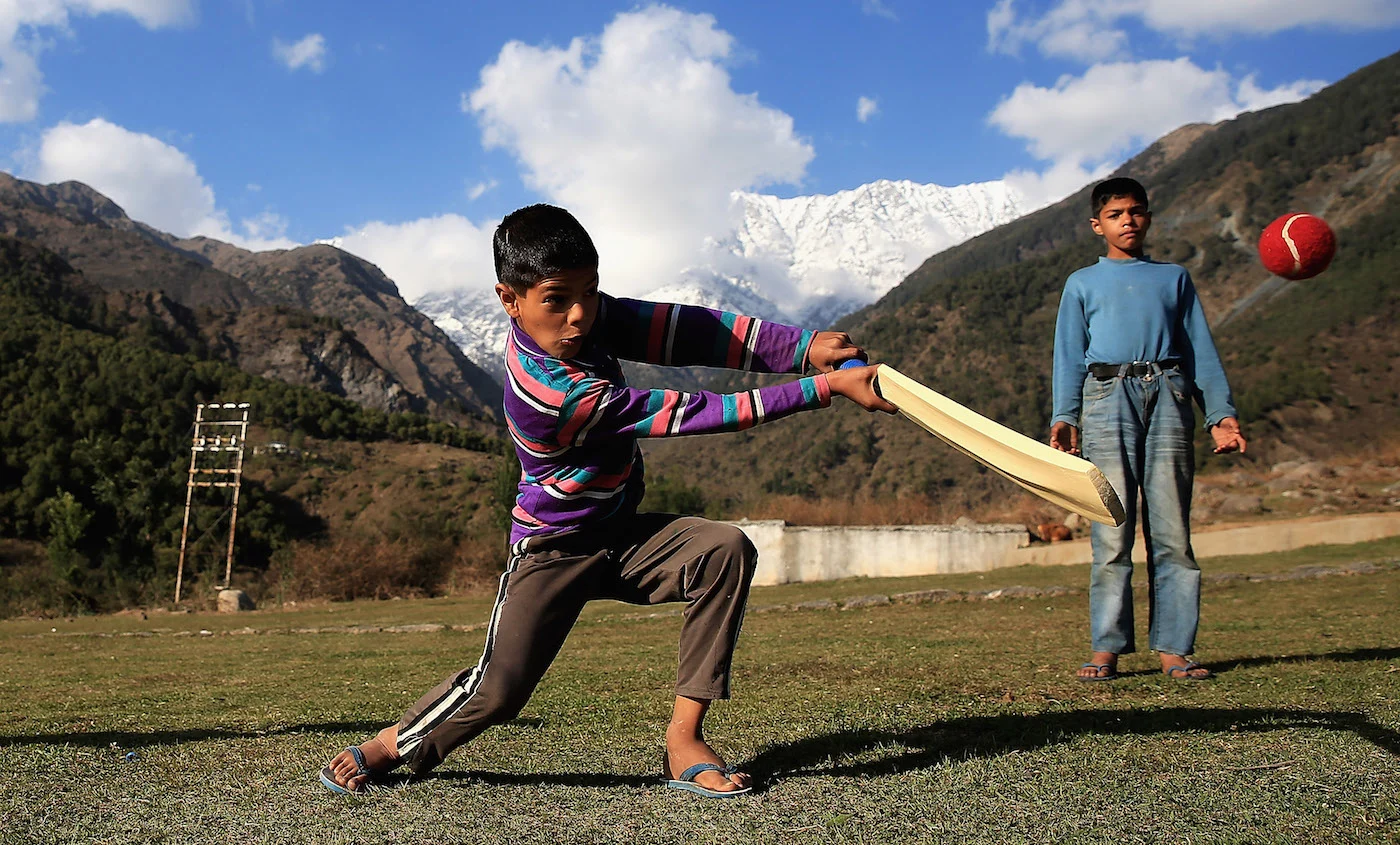
A gully cricket scoreboard is a simple way to keep track of runs, wickets, overs, and players during a street cricket match. In gully cricket (street cricket), there is usually no official scorer, so players themselves record the score using paper, a wall, or even mentally. The scoreboard helps everyone know the match situation and makes the game more organized and exciting.
What is Gully Cricket
Gully cricket is an informal form of cricket played in streets, small grounds, or empty spaces between houses. It is very popular in countries like India, Pakistan, Bangladesh, and Sri Lanka. The rules are flexible, and players adjust them depending on the place and number of players.
Purpose of a Gully Cricket Scoreboard
The main purpose of a scoreboard is to record and display match information so that players know the progress of the game.
Useful Updates
Key purposes
-
Track the total runs scored
-
Record wickets fallen
-
Count the number of overs
-
Note individual player scores
-
Decide the target for the chasing team
Basic Elements of a Gully Cricket Scoreboard
Total Runs
This shows how many runs the batting team has scored in the match.
Example:
Team A – 45 runs
Runs are scored when batters run between wickets or hit boundaries.
Wickets
A wicket shows how many players from the batting team have been dismissed.
Example:
45 / 3
This means 45 runs for 3 wickets lost.
Common dismissals in gully cricket:
-
Bowled
-
Caught
-
Run out
-
One-tip one-hand catch (special street rule)
Overs
An over is a set of balls bowled by one bowler. In official cricket there are 6 balls in an over, but in gully cricket it may be 4, 5, or 6 balls, depending on local rules.
Example:
45 / 3 in 5 overs This means the team scored 45 runs after 5 overs.
Individual Player Scores
Sometimes players also record how many runs each batter scores.
Example:
| Player | Runs |
|---|---|
| Rahul | 20 |
| Arjun | 10 |
| Kiran | 5 |
This helps identify the best batsman of the match.
Target Score
When the first team finishes batting, the scoreboard helps decide the target for the second team.
Example:
-
Team A score: 60 runs
-
Target for Team B: 61 runs to win
Simple Example of a Gully Cricket Scoreboard
Team A is batting in a 5-over gully cricket match. The runs and wickets are recorded after each over to keep track of the game.
| Over | Runs Scored | Wickets |
|---|---|---|
| 1 | 8 | 0 |
| 2 | 15 | 1 |
| 3 | 25 | 1 |
| 4 | 35 | 2 |
| 5 | 45 | 3 |
Final Score: Team A – 45/3 in 5 overs
This means Team A scored 45 runs and lost 3 wickets in 5 overs. If another team is playing, they must score 46 runs to win the match. 🏏
How Scores Are Recorded in Gully Cricket
Advantages of a Gully Cricket Scoreboard
A gully cricket scoreboard helps players easily keep track of the total runs, wickets, and overs during the match. Everyone can quickly see the current score without asking others. The scoreboard makes the game more organized. Players know whose turn it is to bat or bowl and how much score is needed to win. In street cricket, players sometimes argue about the score. A scoreboard records everything clearly, so it helps avoid confusion and disagreements among players. When the first team finishes batting, the scoreboard shows the final score. This helps the second team know the exact number of runs they need to win. A scoreboard can also show individual player scores, which helps players know who performed well in the match.
Website Link
Conclusion
A gully cricket scoreboard is a simple but important part of street cricket. It records runs, wickets, overs, and player performance. Even though gully cricket is informal, keeping a scoreboard makes the game more organized, competitive, and enjoyable for everyone.