Rural Development and Panchayat Raj Department
The Rural Development and Panchayat Raj Department is vital in advancing rural India. It serves as the backbone of local governance and grassroots administration, tasked with executing a variety of programs designed to enhance the living conditions of villagers. The department prioritizes poverty alleviation, job creation, infrastructure enhancement, sanitation, women’s empowerment, and social equity. By merging development efforts with decentralized governance, it guarantees that the advantages of government initiatives reach every part of rural society.
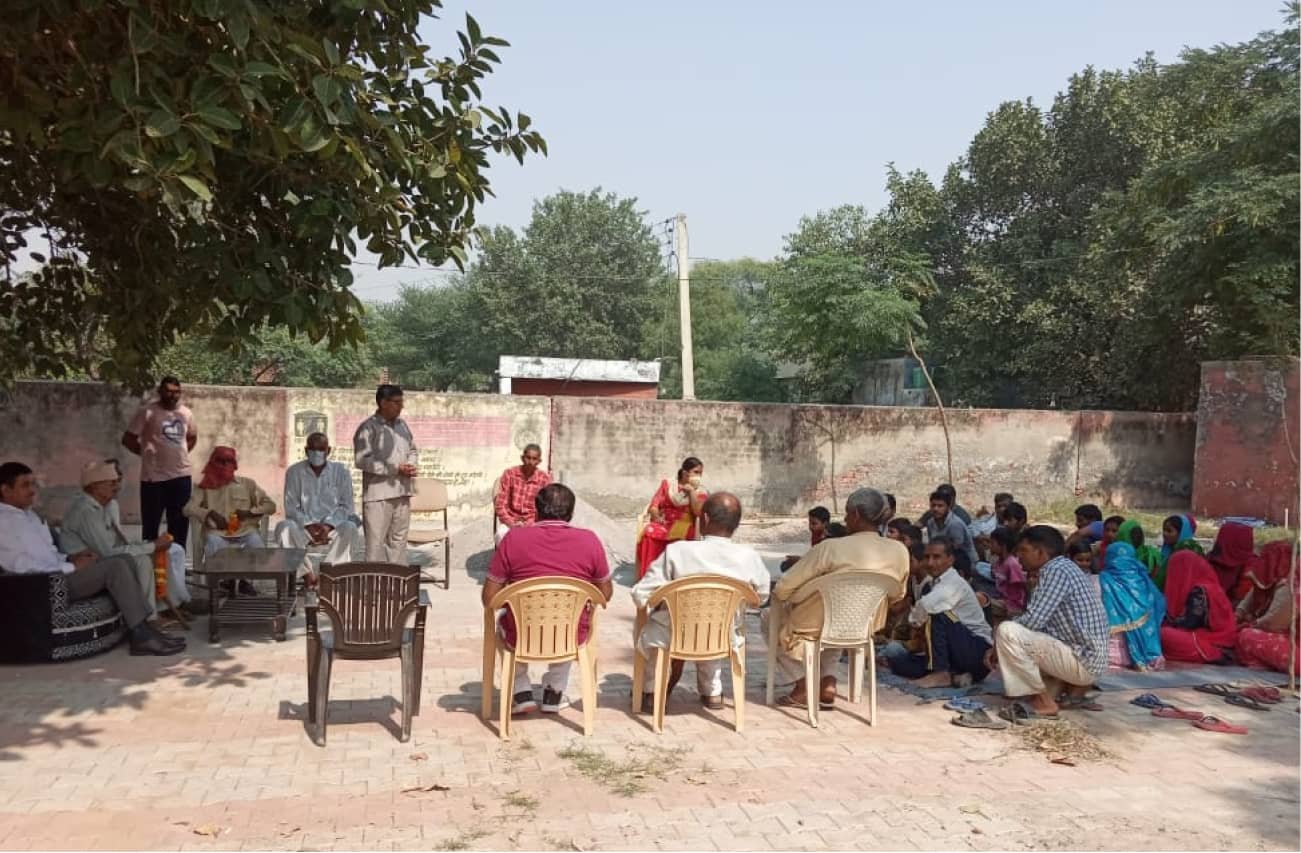
A key duty of the Rural Development and Panchayat Raj Department is to fortify the Panchayati Raj system, which underpins self-governance in villages. The Panchayati Raj Institutions (PRIs) are structured in three tiers: the Gram Panchayat at the village level, the Panchayat Samiti at the block level, and the Zilla Parishad at the district level. These entities collaborate to strategize and execute local development projects that reflect the community’s needs and priorities. Regular meetings of the Gram Sabhas enable villagers to engage directly in decision-making, fostering transparency and accountability in governance.
Rural infrastructure development stands out as one of the department’s most critical focus areas. Essential facilities such as roads, bridges, drinking water supply, streetlights, community halls, and sanitation services are crucial for enhancing the quality of life in rural regions. Initiatives like the Pradhan Mantri Gram Sadak Yojana (PMGSY) aim to link remote villages with all-weather roads, facilitating improved access to markets, educational institutions, and healthcare facilities. Likewise, rural housing programs such as the Pradhan Mantri Awas Yojana (Gramin) offer financial support to low-income families for constructing safe and resilient homes. These efforts not only elevate living standards but also create job opportunities for rural workers.
Useful Updates
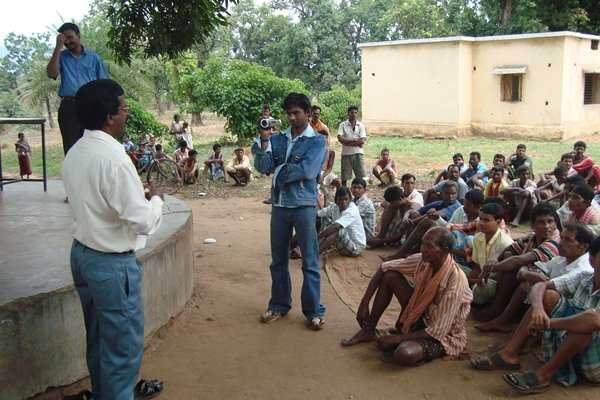
The core mission of the department revolves around generating employment and alleviating poverty. One of the most significant initiatives carried out by the department is the Mahatma Gandhi National Rural Employment Guarantee Act (MGNREGA). This act ensures that rural households receive a minimum of 100 days of wage employment each year, thereby providing livelihood security for the impoverished. The activities undertaken through MGNREGA, including the building of water conservation structures, rural roads, and plantation efforts, also play a crucial role in sustainable development and resource management. As a result of this program, millions of rural families gain both economic and social empowerment.
Another critical area of focus is sanitation and clean living conditions. The Swachh Bharat Mission (Gramin) has been launched to eradicate open defecation and encourage hygiene practices in rural areas. Initiatives such as the construction of household toilets, management systems for solid and liquid waste, and campaigns to raise awareness about cleanliness have significantly improved rural health and environmental conditions. The department collaborates closely with local Panchayats to foster community involvement in maintaining cleanliness and enhancing public health standards.
Useful Updates
Website Link
Additionally, the department is instrumental in promoting women’s empowerment and social inclusion. Self-help groups (SHGs) established under the National Rural Livelihoods Mission (NRLM) offer women opportunities to generate income, access microfinance, and engage in local governance. These groups empower women to achieve financial independence and build confidence, making substantial contributions to the development of their families and communities. Special emphasis is placed on supporting marginalized groups, including Scheduled Castes, Scheduled Tribes, and other backward classes, to ensure equitable access to development benefits.