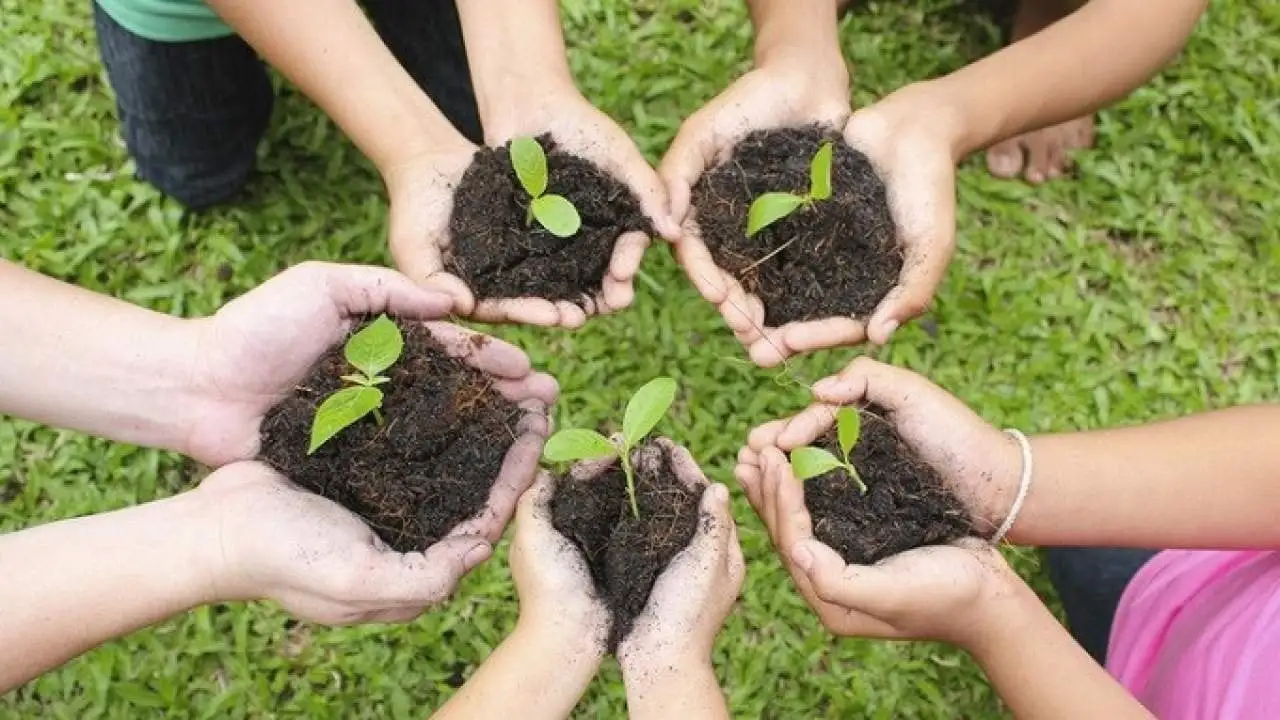
Free Sapling Distribution Scheme
The Tamil Nadu Government Free Sapling Distribution Scheme represents a key environmental initiative focused on restoring greenery, boosting biodiversity, and fostering public involvement in nature conservation. Trees play an essential role in our ecosystem by providing clean air, shade, food, and shelter for wildlife, while also helping to prevent soil erosion and conserve water resources. Acknowledging the pressing need to combat deforestation, urbanization, and the effects of climate change, the Tamil Nadu Government has proactively initiated the distribution of free saplings to residents throughout the state. This program guarantees that every person, irrespective of their economic background, can play a part in creating a greener Tamil Nadu.
The Tamil Nadu Forest Department primarily manages the scheme, overseeing nurseries and distribution centers in various districts. Through this initiative, citizens are encouraged to plant trees in their homes, agricultural lands, schools, workplaces, and community areas. The government not only provides the saplings but also raises awareness about the significance of nurturing them into mature trees. This comprehensive approach ensures that the initiative goes beyond mere planting to foster a lasting ecological impact.
A notable feature of the scheme is the diverse range of saplings available. The nurseries offer fruit-bearing trees such as mango, jackfruit, guava, and amla, which not only enhance nutrition but also create livelihood opportunities for rural families. Furthermore, shade-providing trees like neem, banyan, tamarind, and peepal are distributed for planting along roadsides, in public parks, schools, and government buildings. These trees play a crucial role in reducing urban heat, improving air quality, and establishing green spaces in densely populated towns and cities. Consequently, the program links environmental conservation with social and economic advancement.
Useful Updates

In addition to distribution, the program plays a crucial role in mitigating climate change. Tamil Nadu has established ambitious targets for increasing forest and tree cover, and this initiative is a key instrument in reaching those goals. The trees planted through this program absorb carbon dioxide, lower greenhouse gas emissions, and assist in regulating temperatures. In coastal areas, tree plantations act as natural defenses against cyclones and soil erosion, while in regions susceptible to drought, they contribute to water conservation and enhance soil fertility. Consequently, the program bolsters the state’s environmental resilience.
The initiative has also proven advantageous for farmers and rural communities. By planting fruit-bearing saplings, farmers create additional income streams from fruits, timber, and related products. Numerous farmers have embraced agroforestry practices by incorporating trees into their agricultural fields, which not only enhances crop yields but also supports biodiversity. The government’s efforts to connect the program with rural development and livelihoods have transformed it into a community-focused initiative rather than merely a government endeavor.
WebsiteLink
Over the years, millions of saplings have been distributed through this initiative, resulting in a noticeable impact across various districts. Ongoing monitoring, awareness campaigns, and collaboration with local entities ensure the proper maintenance of the saplings. The government has also promoted community involvement by engaging panchayats, self-help groups, and youth organizations in the care and protection of the planted trees.
Useful Updates
In summary, the Tamil Nadu Government’s Free Sapling Distribution Scheme represents a significant advancement in sustainable development and environmental protection. This initiative goes beyond merely distributing trees; it aims to foster an eco-conscious attitude among the populace. By merging ecological restoration with social accountability, the scheme has sparked a green movement that brings together individuals from diverse backgrounds. If this initiative is sustained with the same enthusiasm and dedication, it will enable Tamil Nadu to attain increased green coverage, improved ecosystems, and a cleaner, safer environment for generations to come.