Find My Device – Phone Tracker: Complete Guide
Losing a smartphone can be stressful because modern phones contain important personal information, photos, contacts, documents, banking apps, and social media accounts. Find My Device – Phone Tracker features can help users locate a misplaced or lost Android phone, secure the device remotely, and in some situations erase stored data. These features are designed primarily for locating and protecting a device owned by the user, rather than secretly tracking another person.
What Is Find My Device?
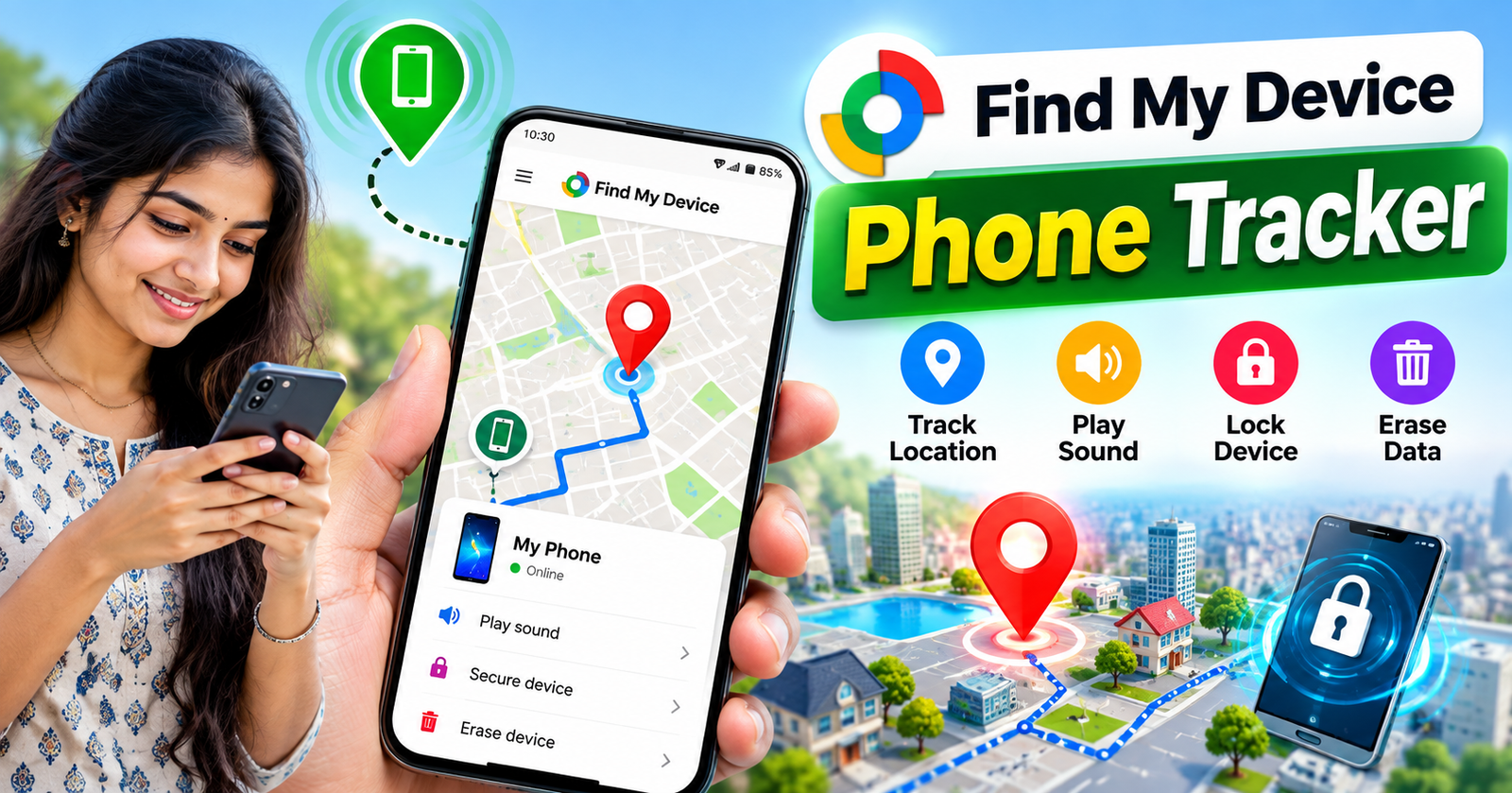
Find My Device is a device-location and security feature associated with Android devices. It allows users to find a compatible phone or tablet through their Google account and connected device-location services. When the device meets the required conditions, users can view its approximate location on a map and perform actions such as making it ring, securing it, or erasing its data.
The feature is particularly useful when a phone is misplaced at home, left in a vehicle, or lost while travelling. Instead of immediately assuming that the phone is permanently lost, users can first check its available location information and attempt to recover it.
Useful Updates
How Does the Phone Tracker Work?
The phone-tracking process generally depends on several device and account settings. The phone needs to be associated with the appropriate Google account, and relevant location and device-finding features must be enabled. Depending on the device and circumstances, an internet connection or other supported finding mechanisms may also be required.
Once the user signs into the appropriate Find My Device service with the same Google account connected to the phone, the available device information can be displayed. The service may show the phone’s current or recently available location. Location accuracy can vary depending on GPS, Wi-Fi, mobile networks, device settings, and environmental conditions.
Useful Updates
Requirements for Finding an Android Phone
Before relying on Find My Device, users should understand the basic requirements. The lost phone generally needs to be connected to the user’s Google account and configured for device-finding functionality. Location-related settings and other required services should also be available.
The phone may need to have sufficient battery power and some form of network connectivity for the most useful real-time location information. If the device is switched off, has a depleted battery, or cannot communicate with the relevant services, tracking may be limited. In some situations, previously available location information may still help identify where the phone was last detected.
How to Locate a Lost Phone
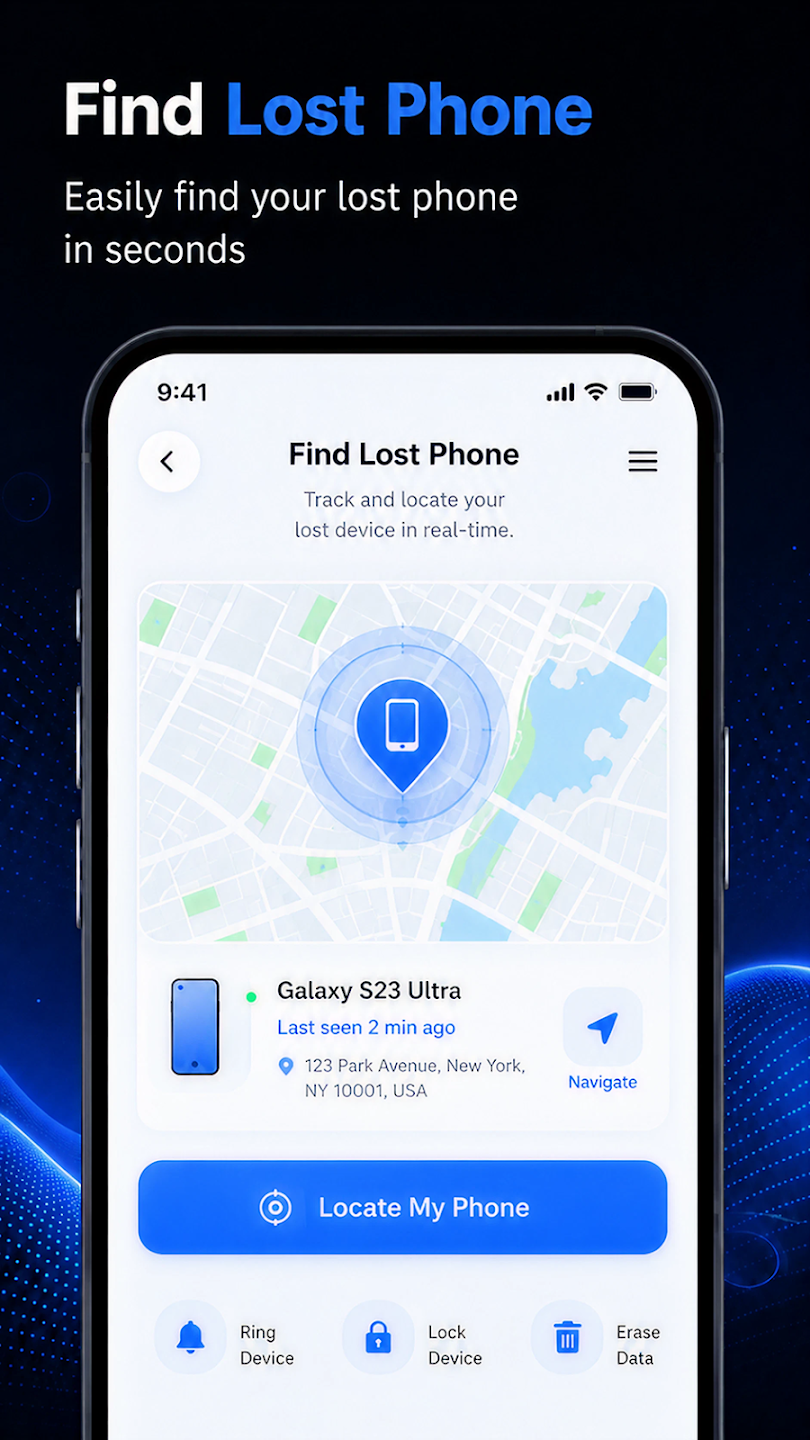
To locate a lost Android phone, the user can access Google’s official device-finding service and sign in using the Google account associated with the missing device. After authentication, compatible devices associated with the account can be displayed.
The user can select the missing phone to view available information. If a location is available, it can be displayed on a map. Users should remember that a displayed location may not represent the exact physical position of the phone, particularly when GPS or network signals are weak.
Play a Sound to Find Your Phone
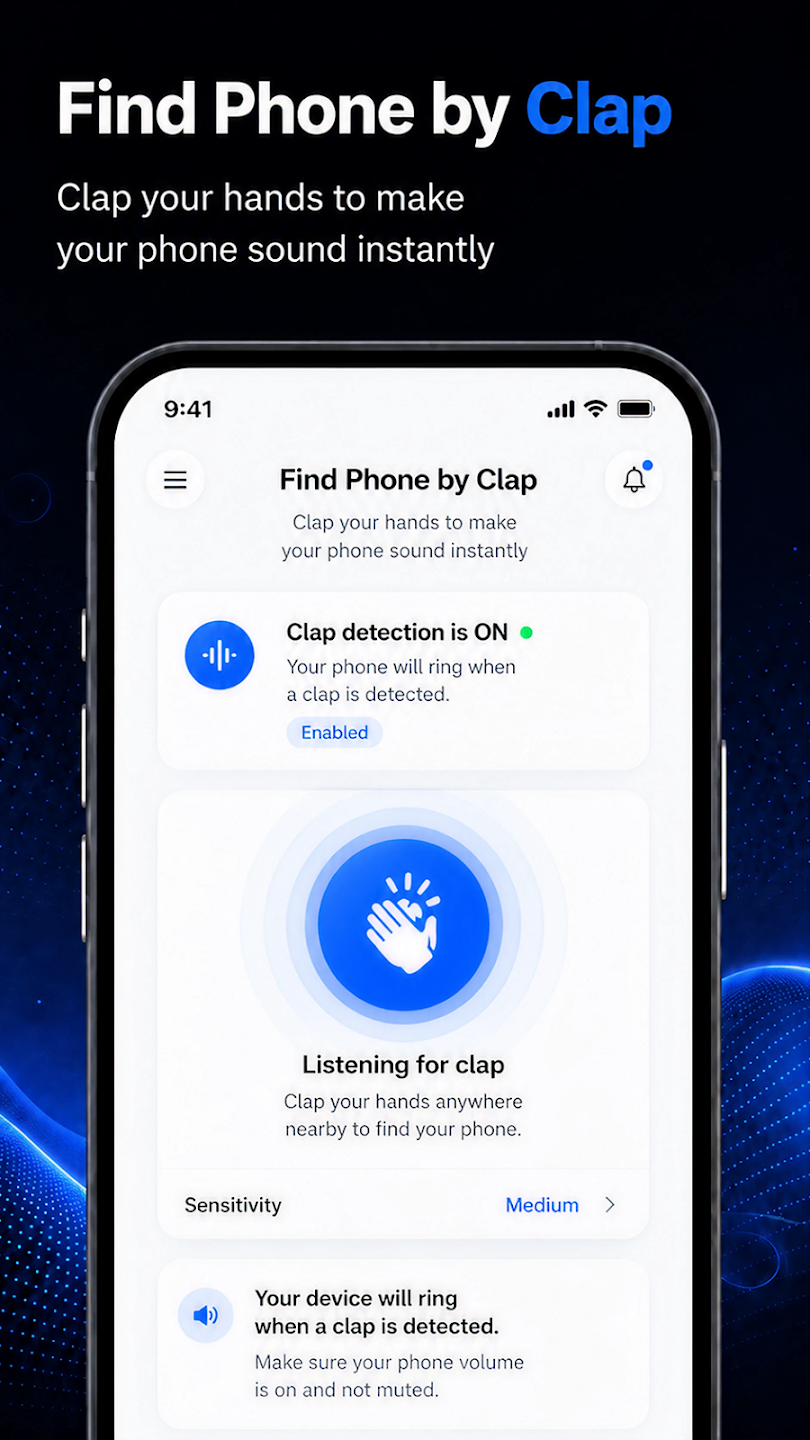
One of the simplest and most useful features is the ability to make a misplaced phone play a sound. This can be helpful when the phone is somewhere nearby, such as inside a room, under furniture, in a bag, or in another part of the house. The sound feature can save considerable time because the user does not need to search every location manually. If the phone is within hearing distance and capable of receiving the command, listening carefully for the ringtone or alert sound can help identify its location.
Secure Your Lost Device Remotely
If the phone cannot immediately be recovered, securing it is an important step. Find My Device can provide options for protecting the device remotely, depending on the supported device and service configuration. Users may be able to lock the device and display a message or contact information on the screen. This can help an honest person who finds the phone understand how to contact the owner. Remote locking also provides an additional layer of protection against unauthorized access to personal information.
Protect Personal Data and Privacy
A lost smartphone can create privacy concerns because it may contain photographs, messages, emails, saved accounts, documents, and other sensitive information. Device security features such as screen locks, biometric authentication, and account protection should therefore be configured before a phone is lost.
If the device cannot be recovered, remote data deletion may be an option on supported devices. Users should understand that erasing the device is a significant action and may affect the ability to continue locating it. Therefore, it should generally be considered when recovery is unlikely and protecting personal information has become the priority.
Can Find My Device Track Any Phone?
Find My Device is primarily designed for supported devices connected to the user’s account and configured for the service. It should not be treated as a universal phone-number tracker. Simply entering another person’s mobile number does not normally provide legitimate access to that person’s private device location. Phone tracking should always respect privacy, consent, account security, and applicable laws. Parents, guardians, organizations, or other users who require legitimate location-sharing functionality should use services designed specifically for authorized location sharing.
What Happens When the Phone Is Offline?
A phone without an active internet connection may have limited tracking functionality. Depending on the device model, software version, and enabled finding features, the service may use previously available information or supported offline-finding capabilities. However, users should not expect an offline phone to provide continuous live location updates. Location information can become outdated, particularly if the device has been turned off, the battery has died, or it has remained disconnected for an extended period.
Find My Device for Stolen Phones
If a phone appears to have been stolen rather than simply misplaced, users should prioritize personal safety. The location displayed by a tracking service should not be treated as an invitation to personally confront someone or enter an unfamiliar location. Instead, users can secure the device remotely, protect their important accounts, contact their mobile network provider when appropriate, and report the theft to local authorities. The device’s identifying information, purchase records, or other documentation may be useful when making a report.
Tips to Prepare Your Phone Before It Gets Lost
The best time to configure phone-tracking and security features is before the phone disappears. Users should maintain a strong screen lock, keep their Google account secure, enable appropriate device-finding functionality, and regularly update the phone’s operating system. It is also useful to maintain recovery information for important accounts. Enabling two-factor authentication can provide additional protection, while keeping important files backed up reduces the risk of permanent data loss if the device cannot be recovered.
Find My Device and Account Security
A device-finding service is only as secure as the account protecting it. Users should never share their Google account password or verification codes with strangers claiming that they have found the phone. If someone contacts the owner and requests login credentials, OTPs, recovery codes, or payment in exchange for returning the phone, users should be cautious. Legitimate device recovery should not require handing over confidential account credentials.
Advantages of Find My Device
Find My Device provides several practical benefits for Android users. It can help locate a misplaced smartphone, provide available location information, make the phone produce a sound, and offer remote security controls. Another important advantage is that it combines location and security features in one ecosystem. Instead of simply showing a map location, the service can help users take protective action when the device is missing.
Limitations of Phone Tracking
Although phone-tracking technology is useful, it is not perfect. Location accuracy can change based on the environment and available signals. Indoor locations may be less precise than outdoor GPS locations, and an unavailable network connection can prevent current information from being transmitted. Battery status is another important limitation. Once a phone loses power, live tracking may no longer be possible, although certain supported finding technologies can provide additional functionality depending on the device.
Download Now
Final Thoughts
Find My Device – Phone Tracker is a useful security feature for Android users who want to locate and protect their own smartphones. Its main purpose is not simply tracking a phone on a map, but helping users respond when a device is lost or misplaced. Location information, sound alerts, remote locking, and data protection options can all contribute to safer device recovery.
For the best results, users should configure device-finding features in advance, maintain a secure Google account, use a strong screen lock, and keep important data backed up. If a phone is suspected to be stolen, users should avoid confronting anyone based solely on a displayed location and should instead use appropriate security and official reporting channels.